How can digital technology reshape identity, presence, and human connection? In the 21st century, digital systems increasingly translate our most intimate human features into data, store them, process them, and endlessly reproduce them. As a result, identity becomes both more visible and more unstable.
FILE NOT FOUND [MISSING DATA]
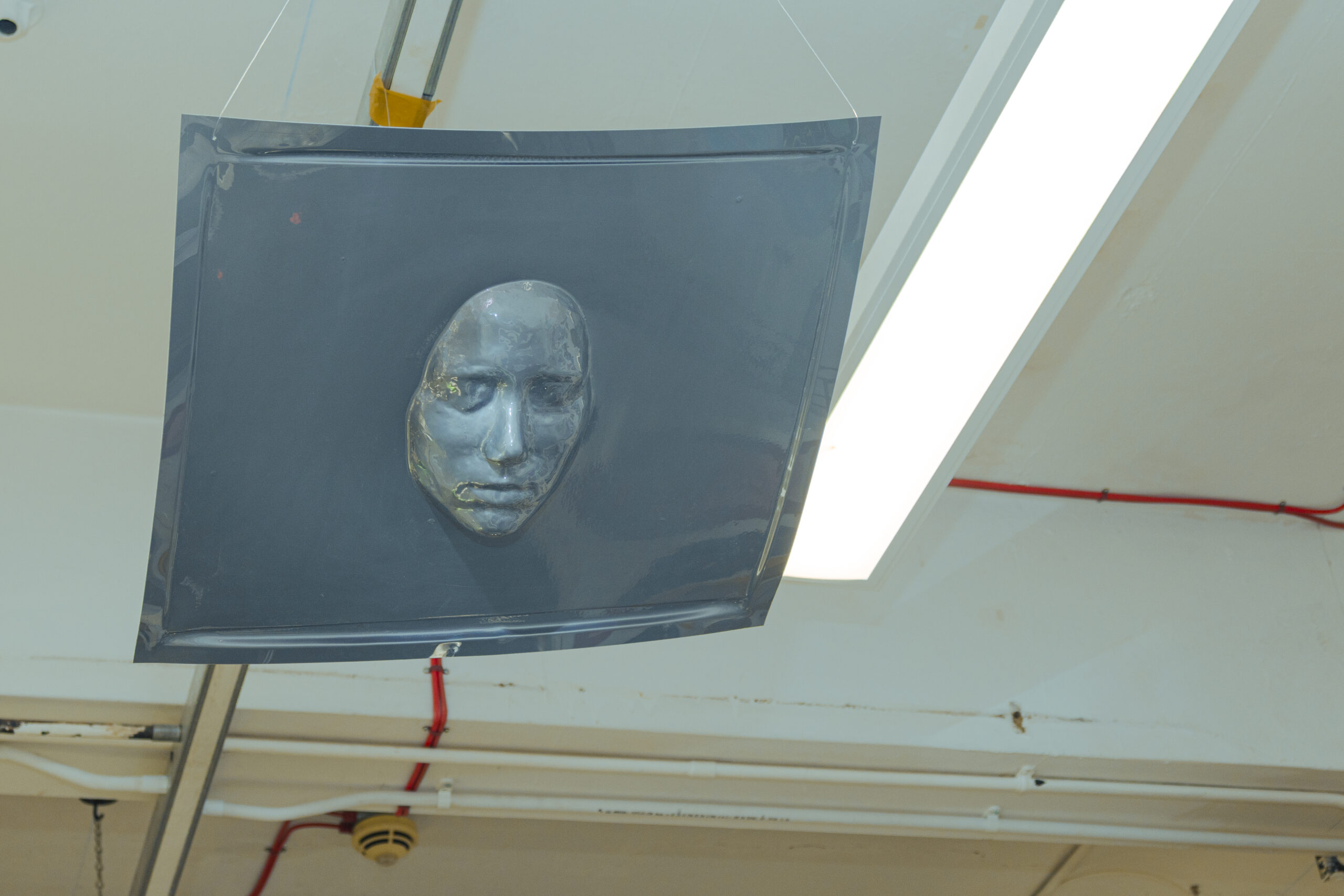
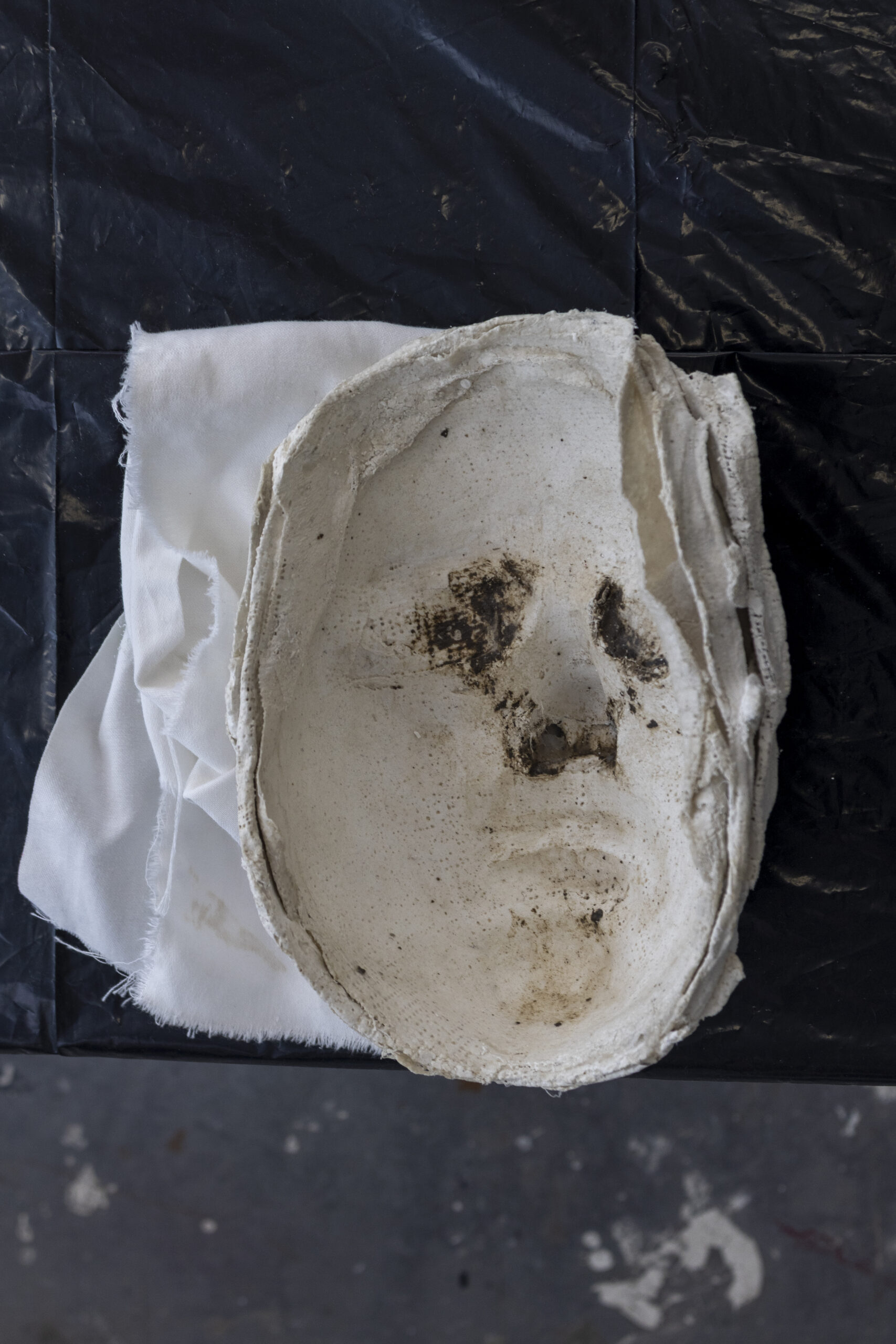
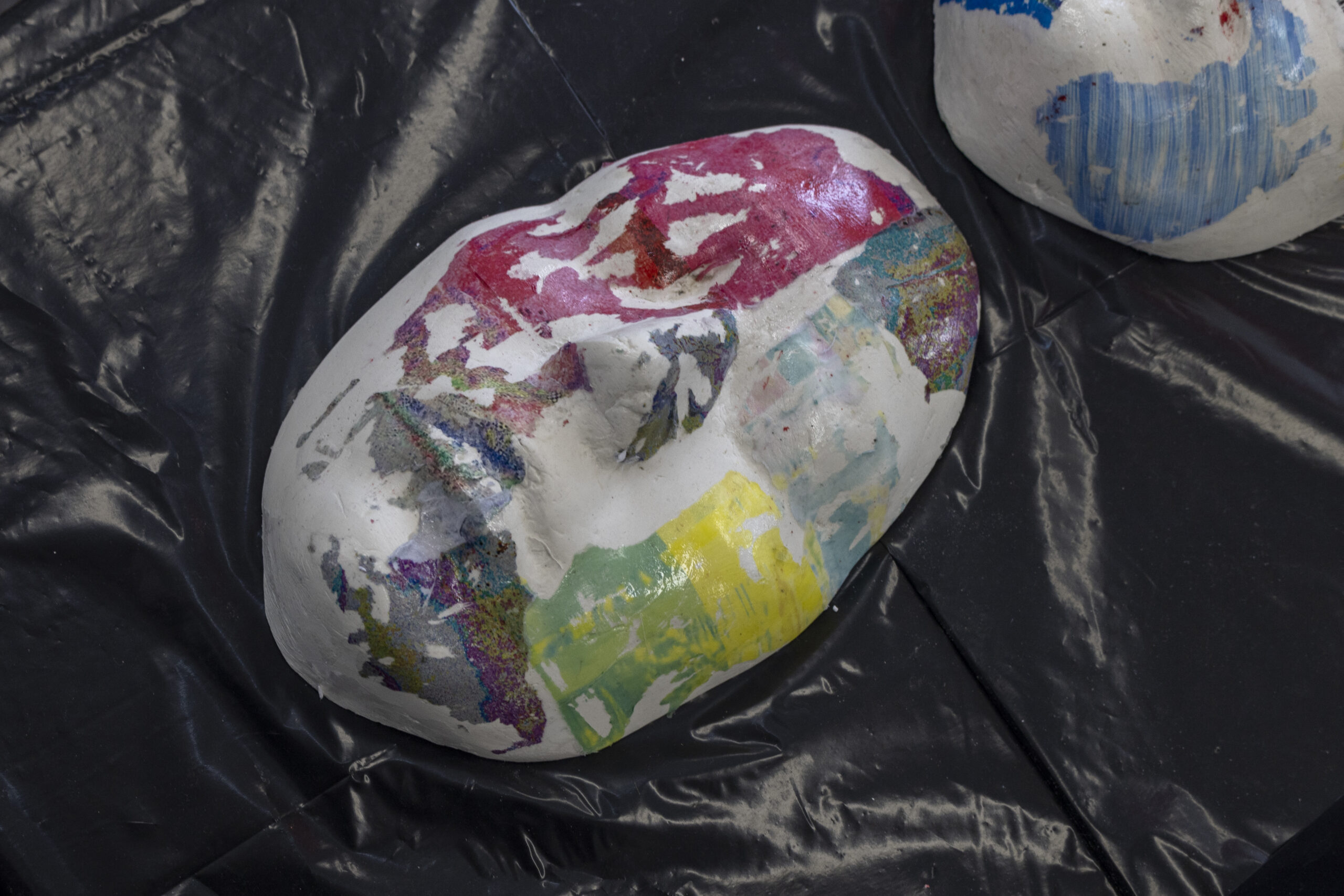
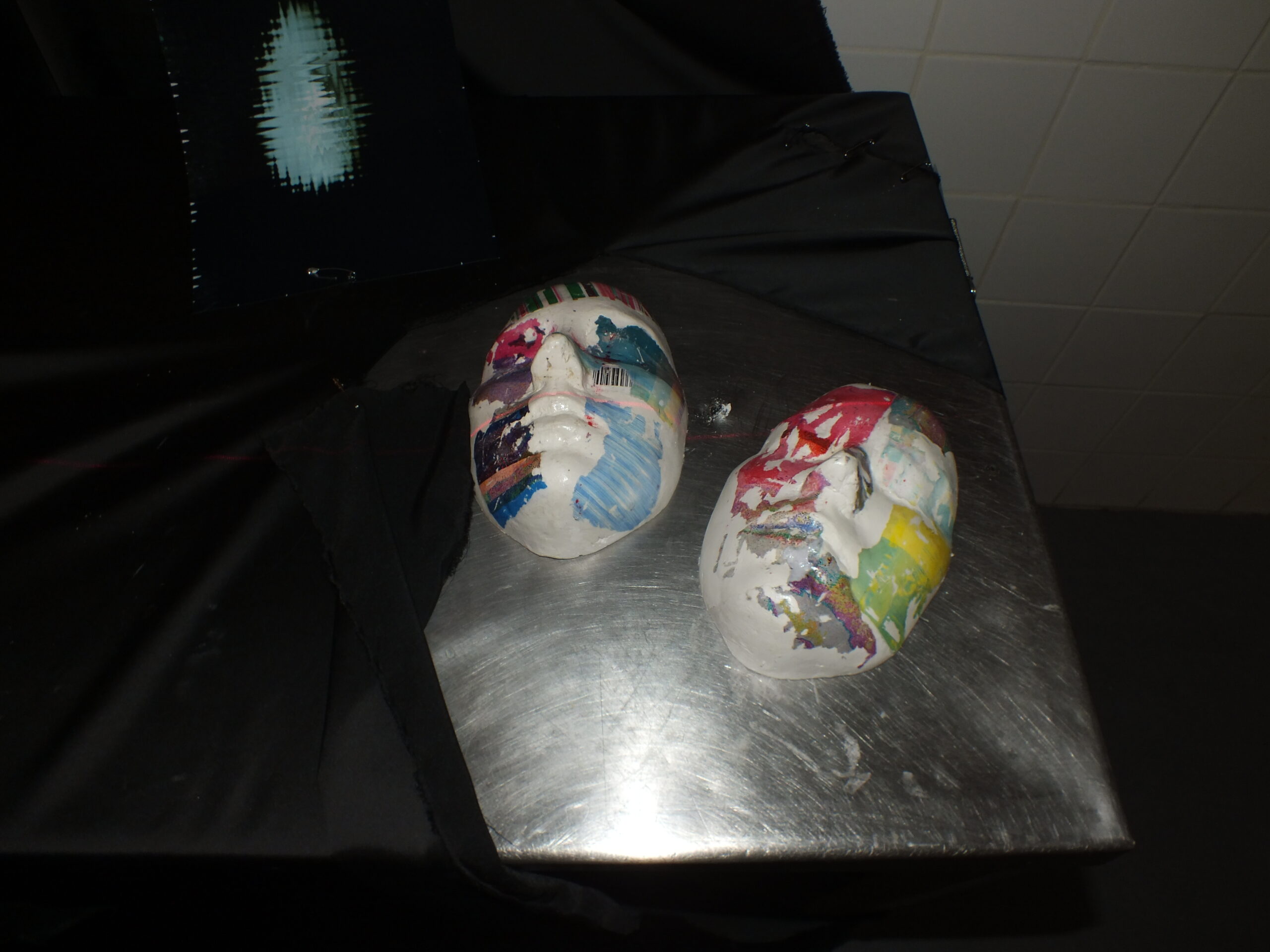
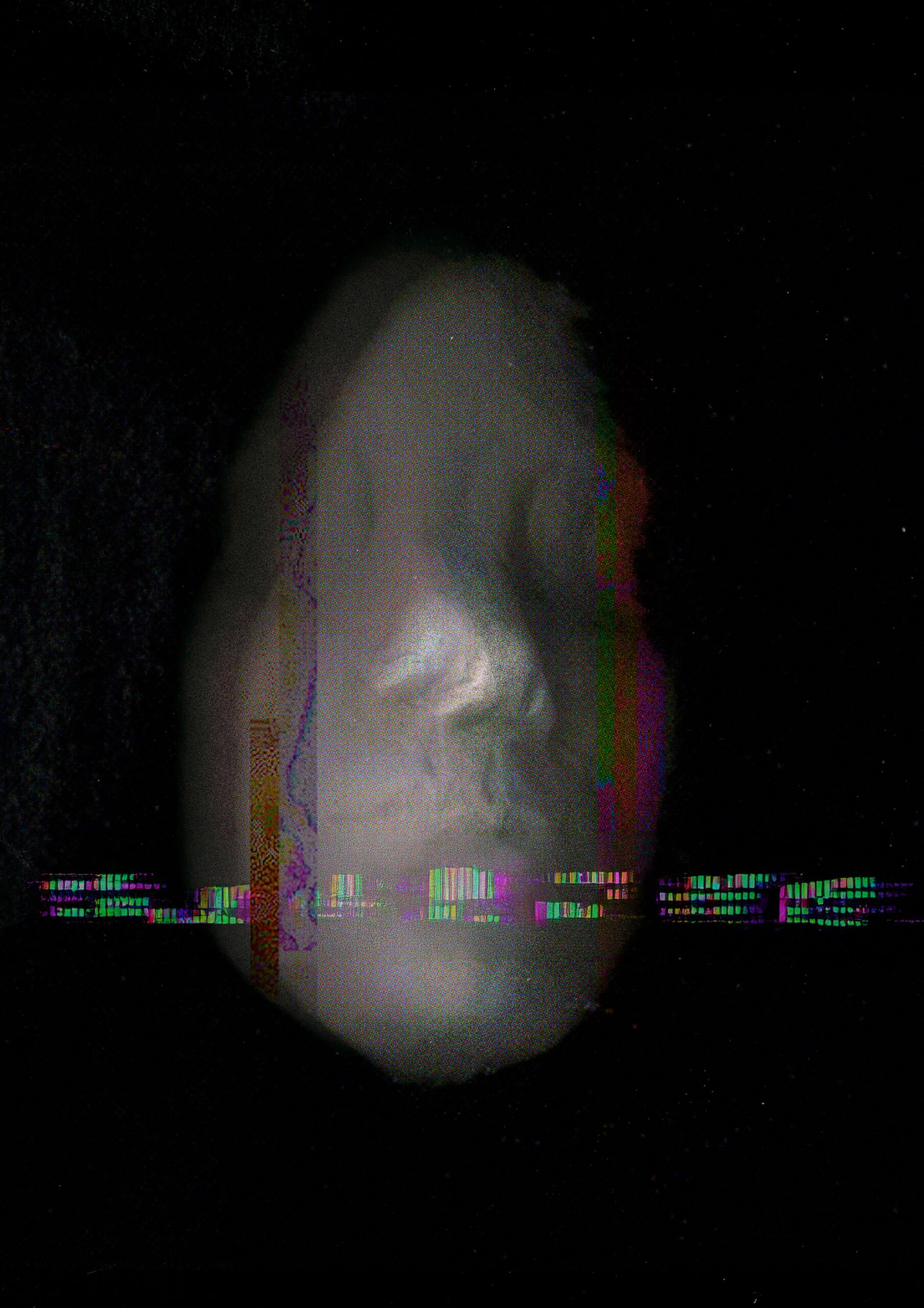
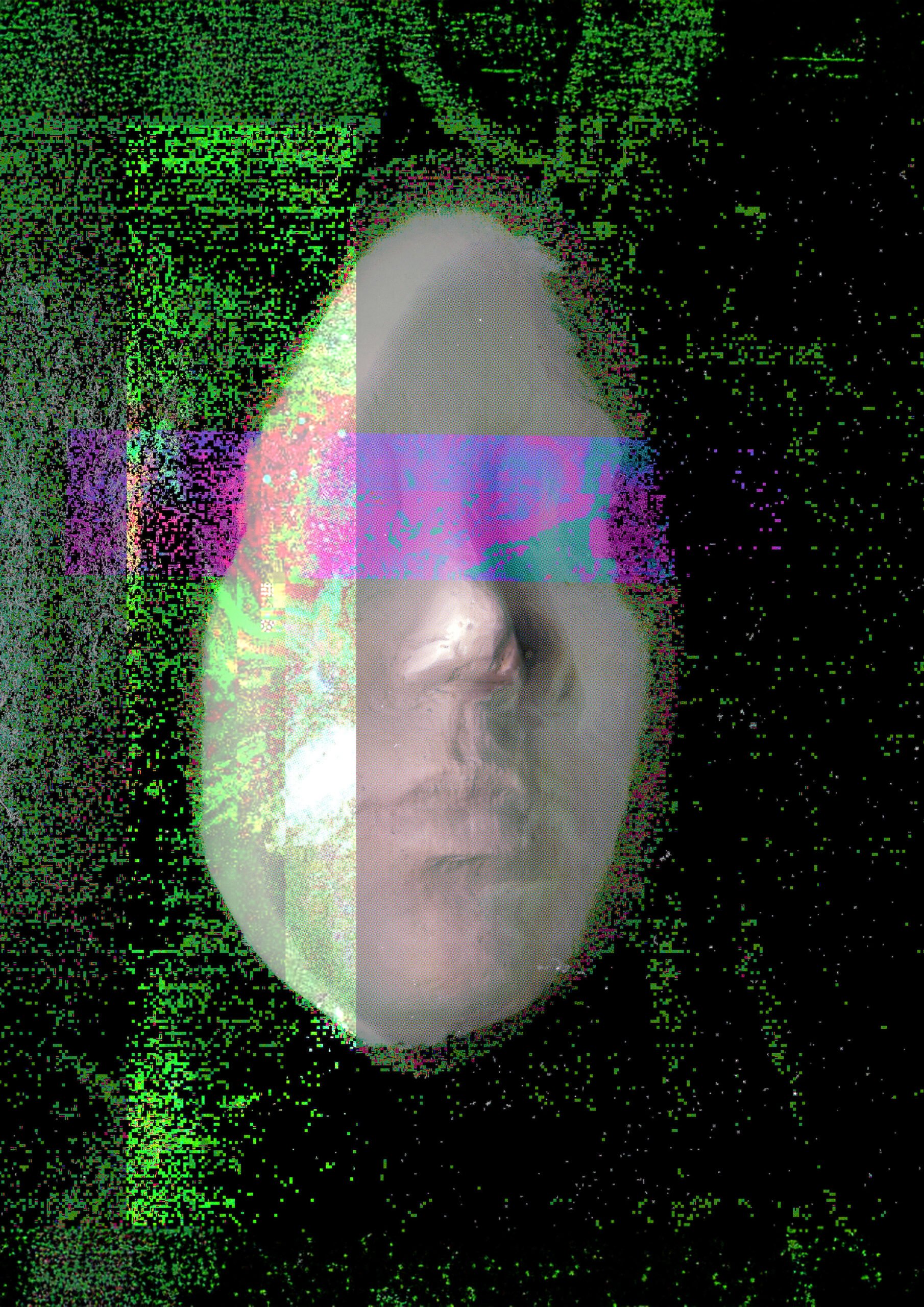
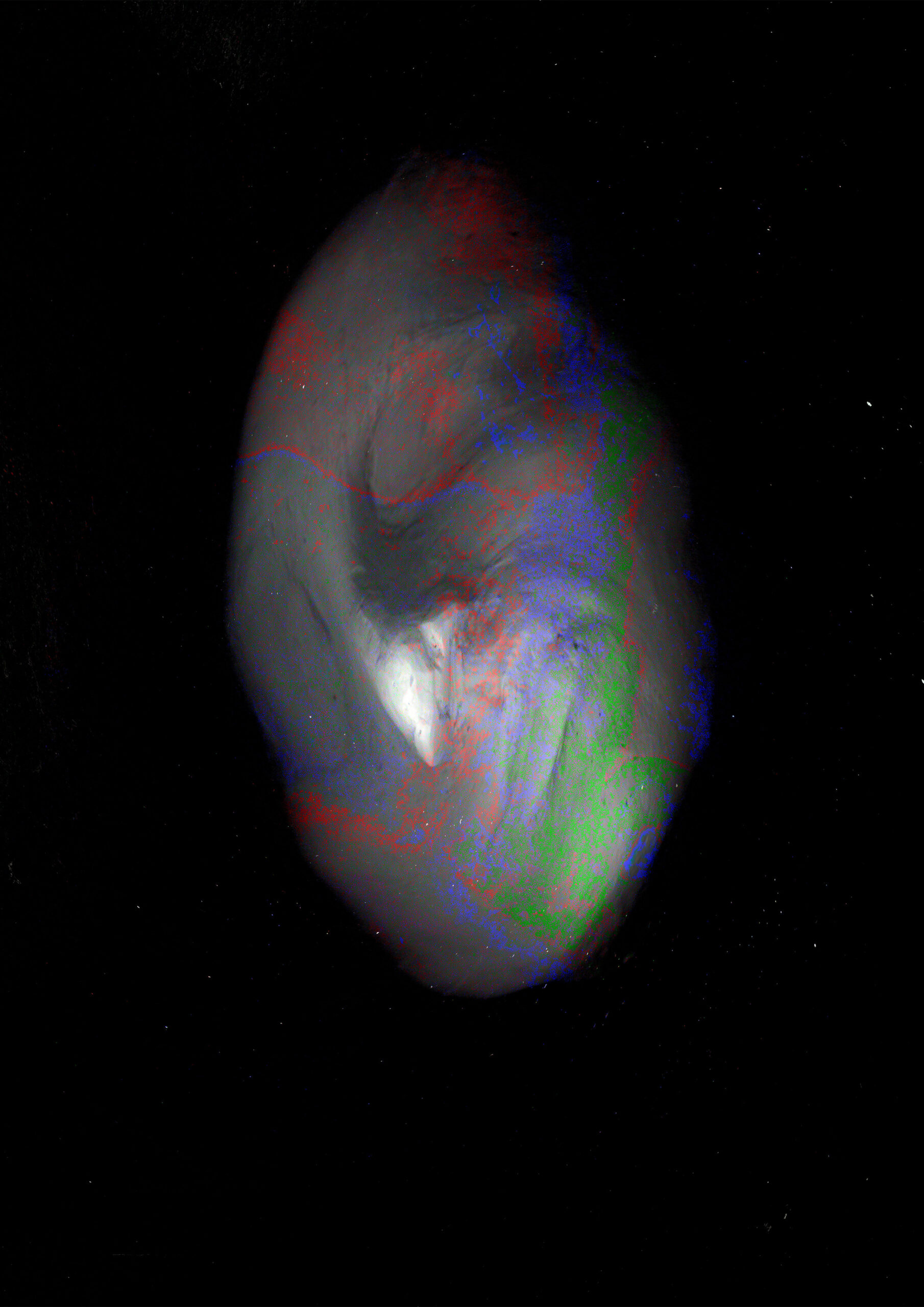
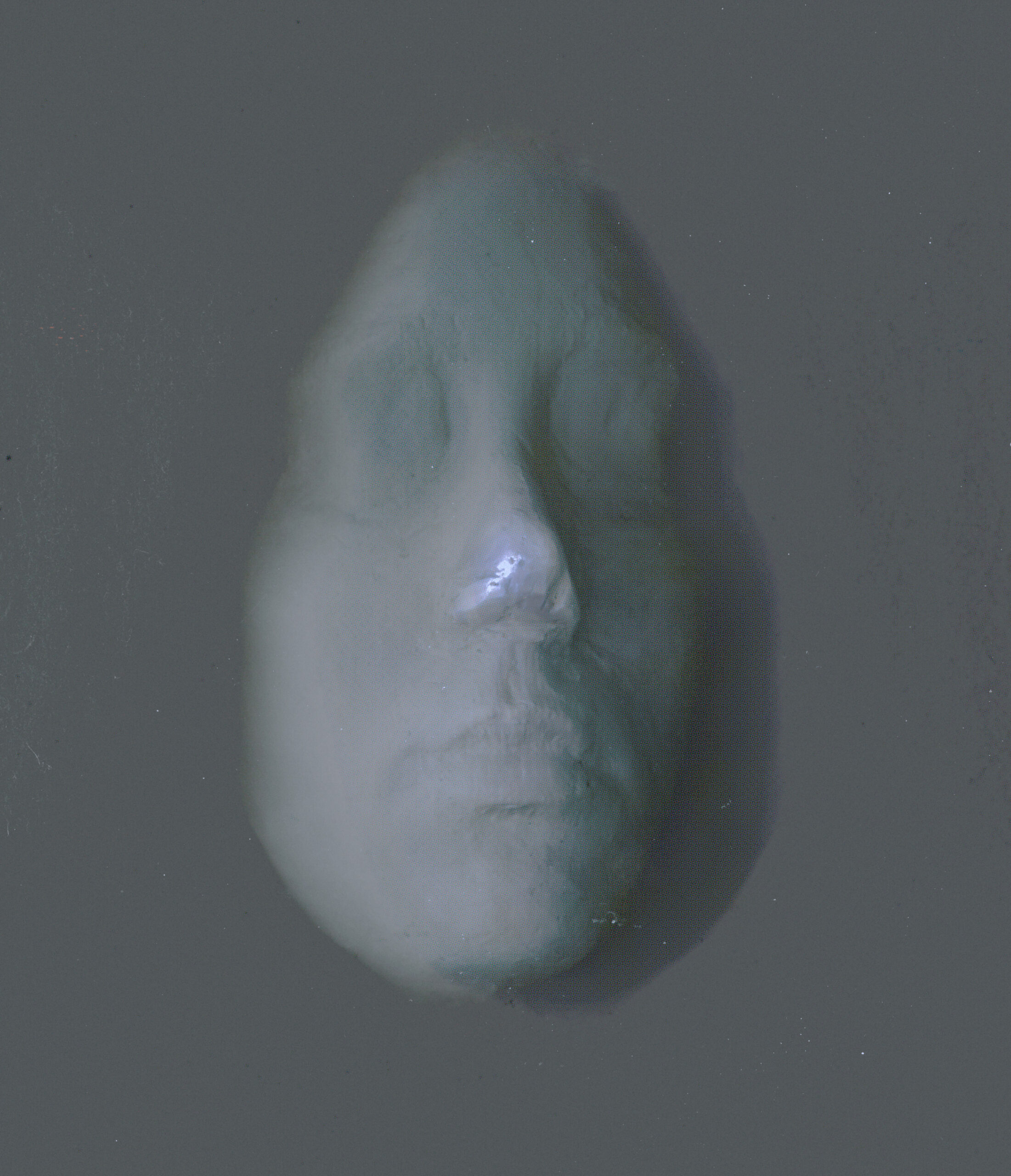
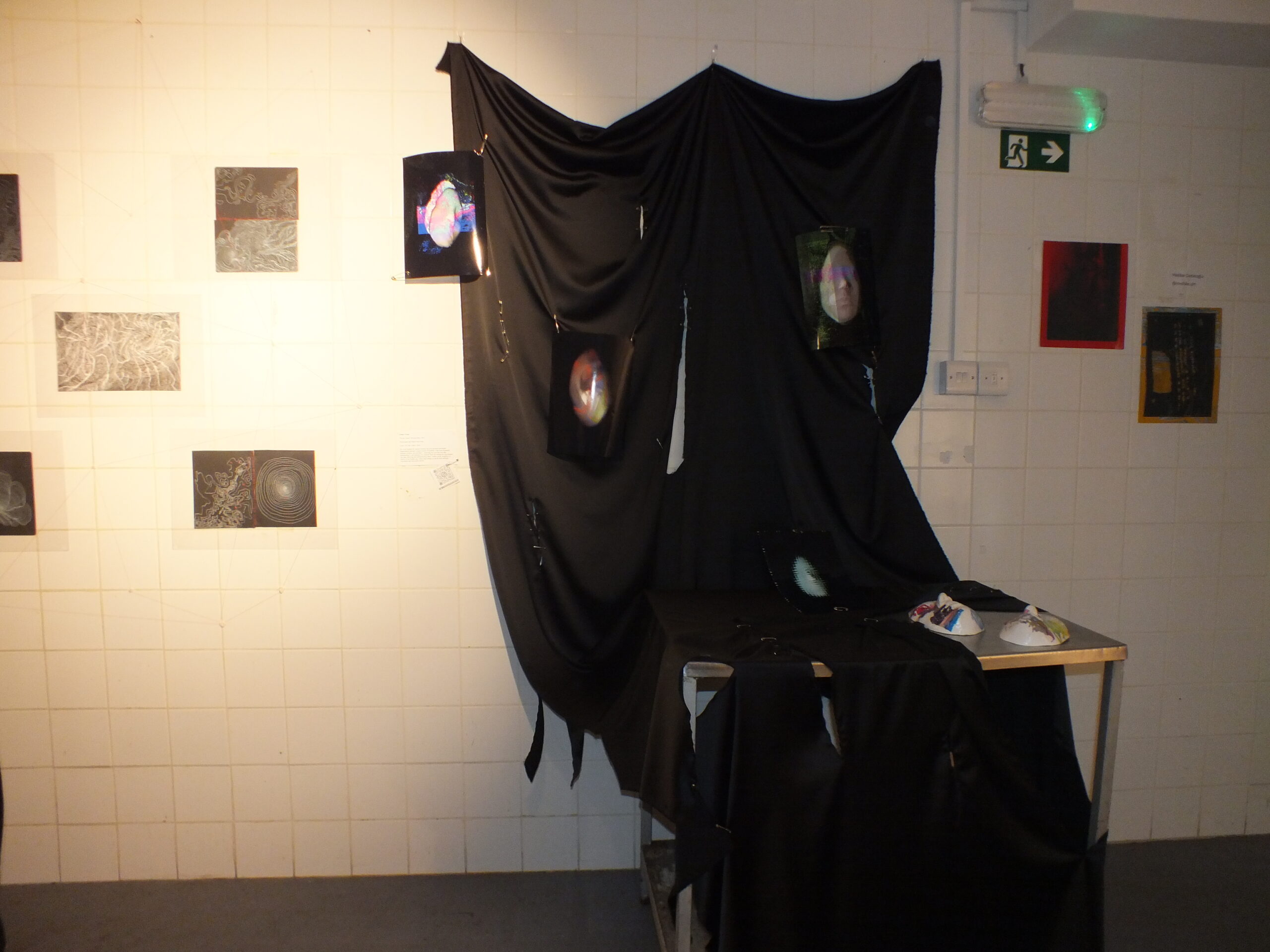
My work explores the tension between physical presence and digital fragmentation through a plaster-casted self-portrait that that I repeatedly scanned, glitched, distorted, and reworked. Through this process, I converted my own face into data, manipulated it, and then returned it to material form.. By transforming my features into data and allowing them to be altered, I reflect on the instability of identity in a digital environment where the self is never fixed.
THE PROCESS
The project begins with a physical act: casting my own face in plaster. This gesture establishes a direct connection to the body, materiality, and vulnerability. Initially, the plaster cast appears stable and singular. However, once I digitalize the cast through flatbed scanning, this stability begins to dissolve. In digital space, the face becomes information – a collection of surfaces, coordinates, and data points.
As I manipulate the digital model, glitches and distortions emerge. Rather than correcting these errors, I intentionally create them. In this way, technological failure becomes a visual language. These disruptions mirror how identity online is shaped by algorithms, compression, and loss of control. Consequently, the face shifts from representation toward fragmentation.
After digital manipulation, the altered data is rematerialized. Returning the form to physical space restores weight and presence, yet the original likeness is no longer intact. Therefore, the final objects exist between recognition and abstraction. They suggest that once the body becomes data, transformation is irreversible.
CONCLUSION
Ultimately, this work questions what it means to be present in an era where identity is distributed across digital systems. While technology enables connection, it also fractures the self. By using my own face as both subject and material, I situate my body within this process, emphasizing the personal consequences of digital translation. Turning my own features into data, then distorting and rematerializing them. This way, I reflect on the instability of identity in the Digital Age, where what defines us can be both endlessly reproduced and irrevocably altered.