2025, photobook, 20x25cm published by Symposion (Budapest)
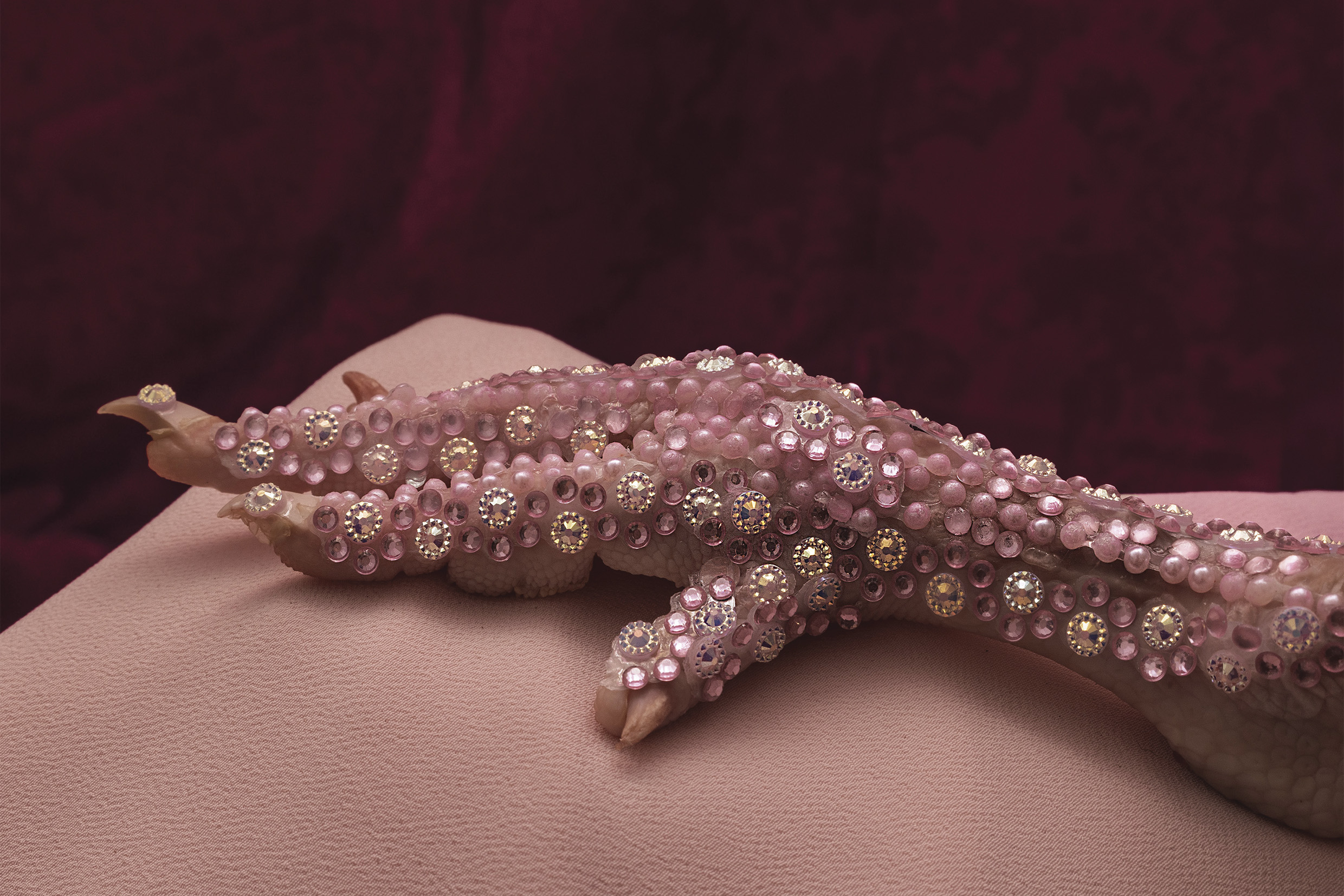
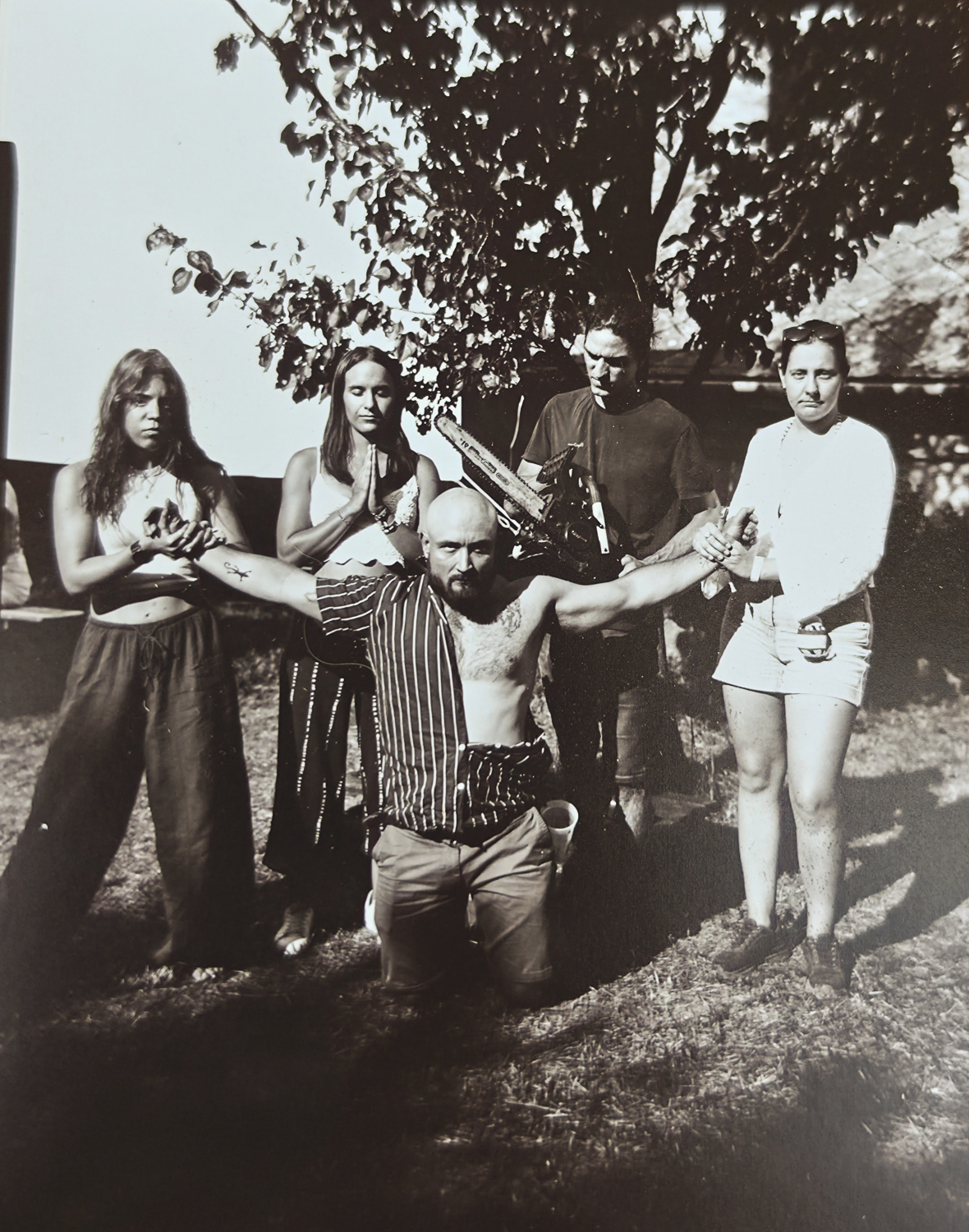
How does a living being become a victim? When did we become so detached from life that we built systems around it to decide who is worthy of living? What happens to those who are not worthy? What happens when we are not worthy? Who is it that selects, categorises, decides – and who empowered them?
Sacrifice was originally a sacred act; today we make sacrifices, we become victims on the altar of power, political ideologies and scientific progress instead of gods. Which body becomes a tool, a sacrifice, and which remains protected? What happens when we no longer defend life, but the system? Who is to say what is life and what is not? “Man is the cruellest animal.” – writes Nietzsche. But is it really the animal that is cruel or is it man who can build a system around cruelty?
What does it mean for a photograph to be made from living materials? Can a print still claim permanence when it is grown, not manufactured? What if the print is not meant to survive? What happens to photography when the substrate, pigment, and surface are all shaped by biological transformation?
Growing my own bacterial cellulose and algae-derived pigments, I create the substrate and handmade paint to print my photographs. The image becomes a fragile, organic surface – responsive to time, light, and humidity – where the photograph slowly shifts, cracks, and fades. This project questions photography’s promise of permanence by treating the print as a living, decaying material, shaped by biological processes.
When does a body stop being mine? If I cast it, copy it, multiply it – what is still real? If I cut it apart and rearrange it, is it still my body or something else assembled from it?
Where is the line between real and fiction? Is it in the material, the form, or the act? If each piece comes from me, does the whole remain me? Or does it become something constructed – something unreal?
Can it be altered without becoming something else? At what point does it stop being abody and become an object?
A grotesque event took place when I was on the way to exhibit my sculpture titled “The Horse Wasn’t Real Until I Killed It”: two parts of my sculpture were stolen.
Rather than restoring the cast – as exploring the grotesque and destroying my own art are core elements of my practice – I made this part of the work. The absence is marked, distributed, and exaggerated through the surrounding materials to attempt to locate what is no longer there.
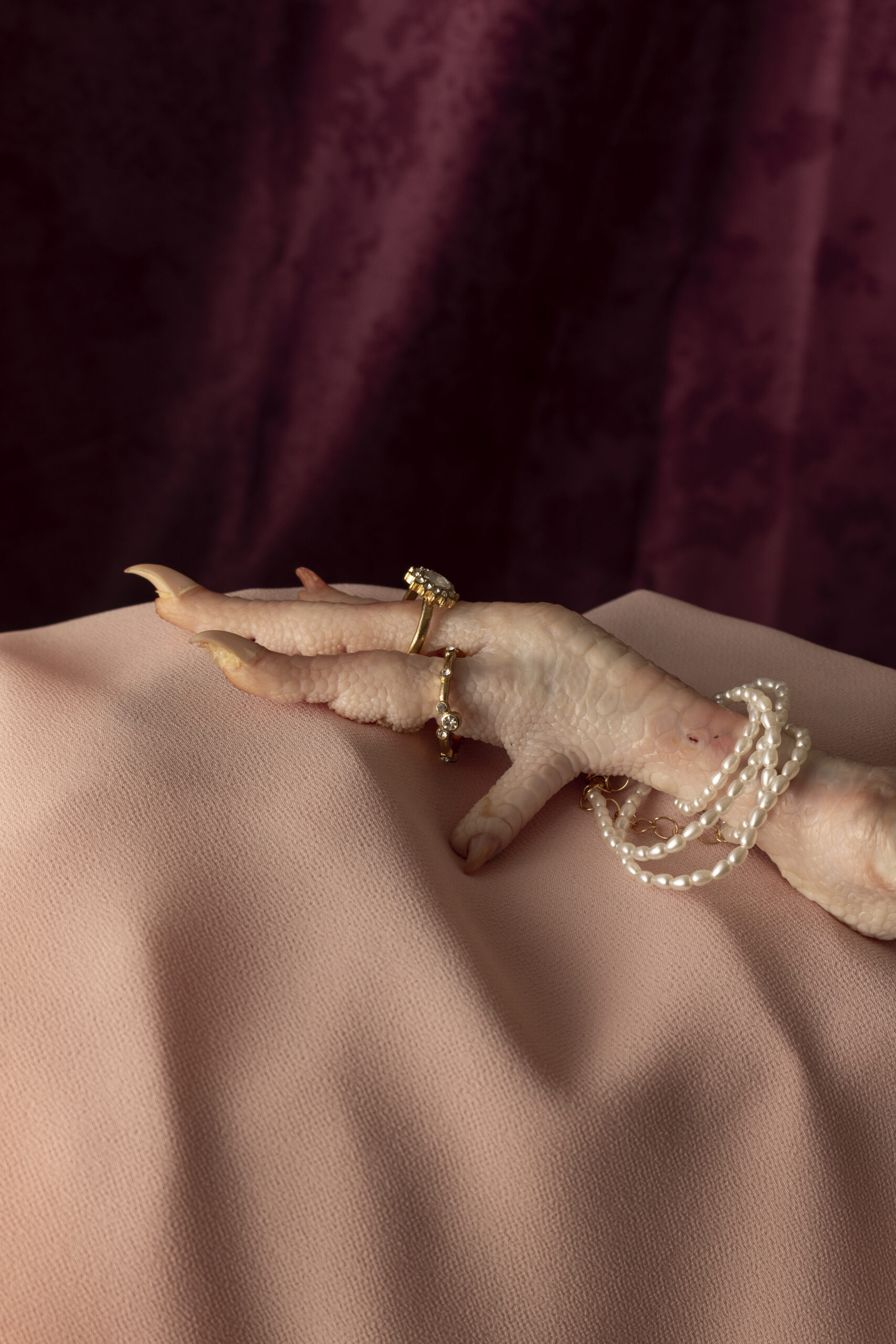
How can we incorporate still lifes in contemporary photography? Can we use them to address current problems? Can they still be of lasting value in the 21st century?
In my work, I sought to answer these questions. As static compositions, still lifes reflect small yet deeply meaningful aspects of life through different symbolic systems. Through a conscious selection of components, still lifes can not only provide a visual experience but also stimulate intellectual interaction. The grotesque aesthetic creates narratives that can capture and provoke the viewer’s attention. In this way, they are able to reflect on collective memory and social reality.
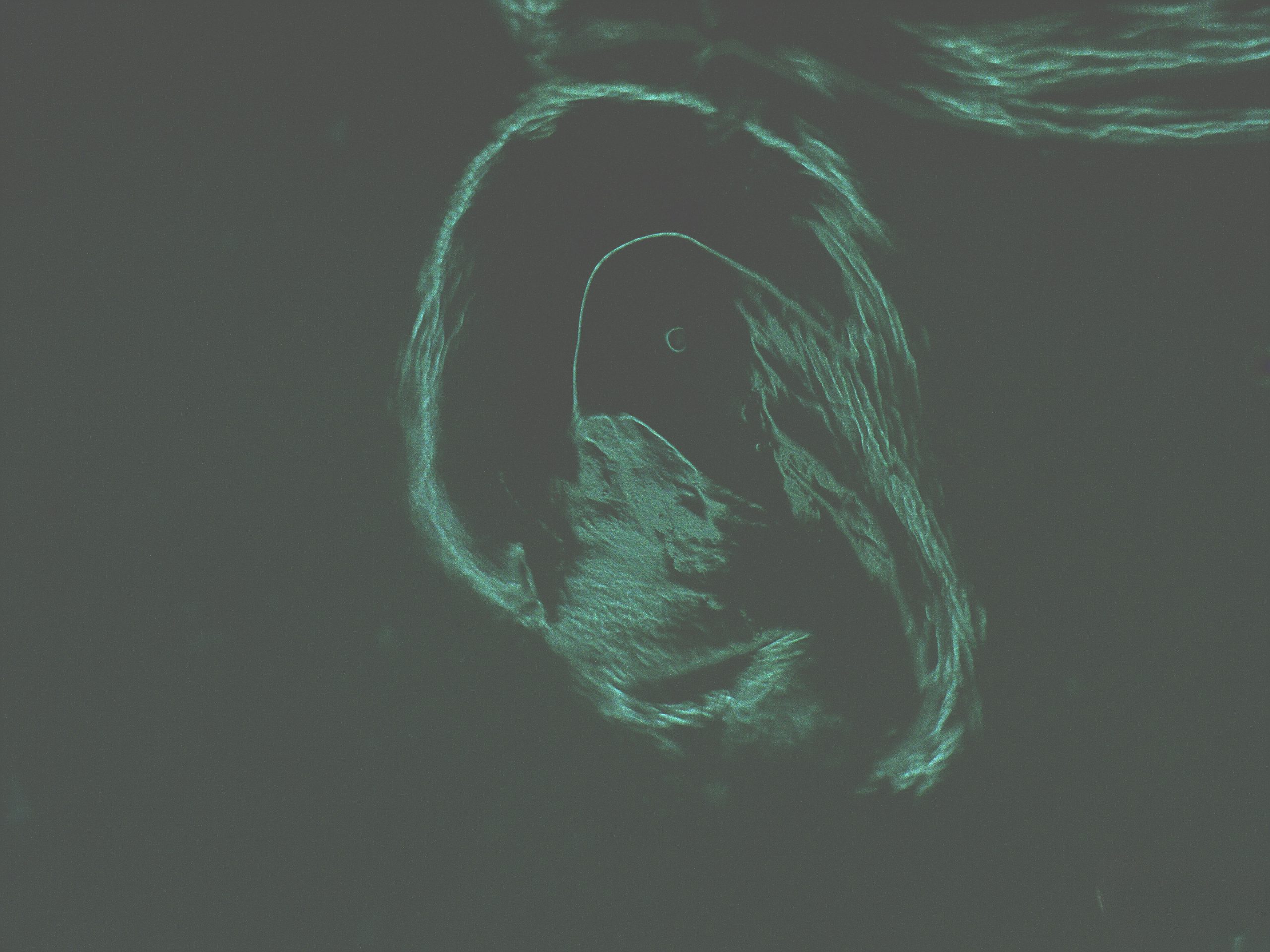
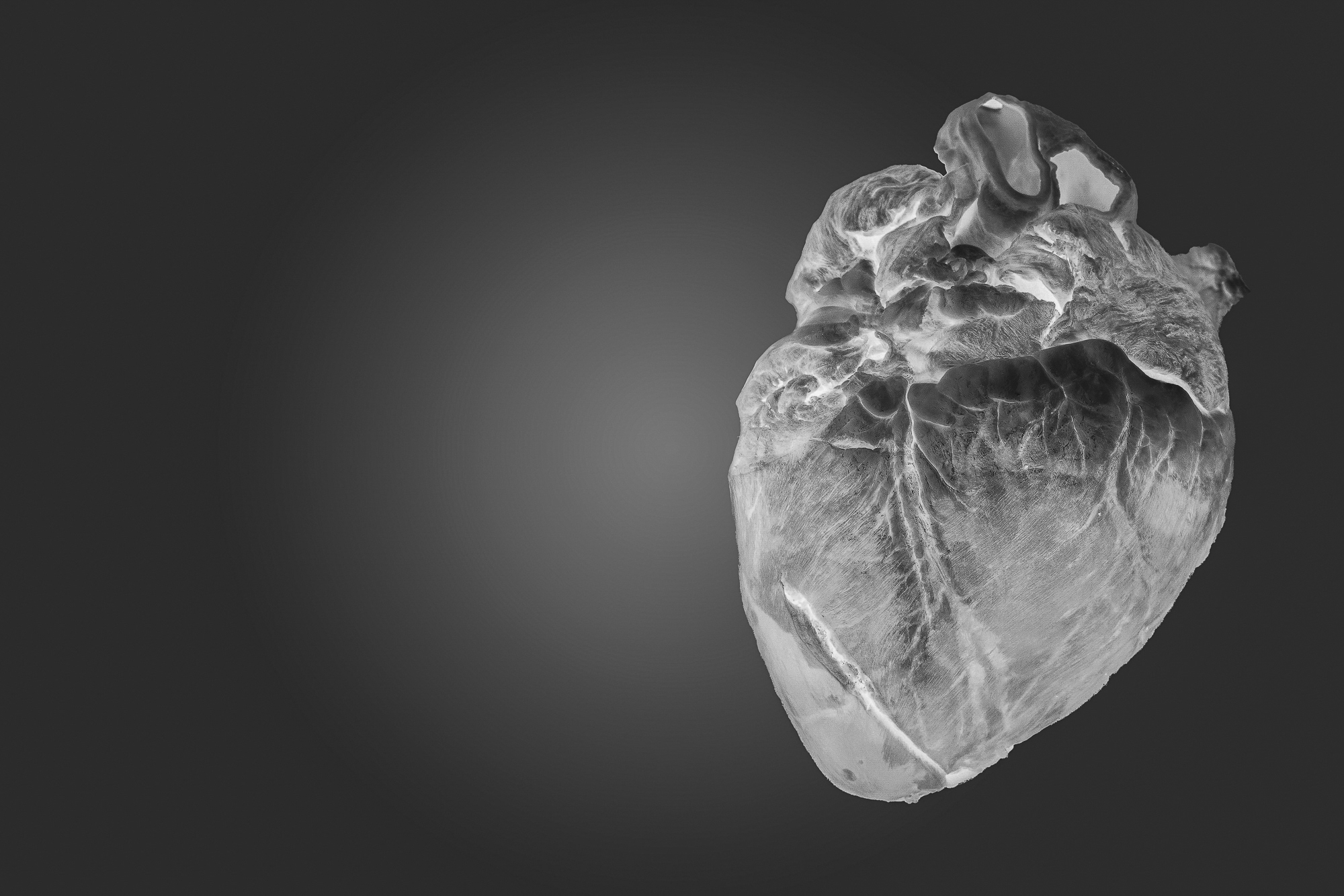
This project is based on microscopic images of animal organs and tissues. The images were created with the support of the University of Veterinary Medicine Budapest. Once removed from their medical context, these sections transform into unfamiliar terrains. Within these visual fields, I search for landscapes, landforms, and natural phenomena.
The aim is to expose how easily authority, scientific language, and AI-generated elements can mislead viewers. The project reflects on fake news, deepfake, and the declining habit of critical observation.
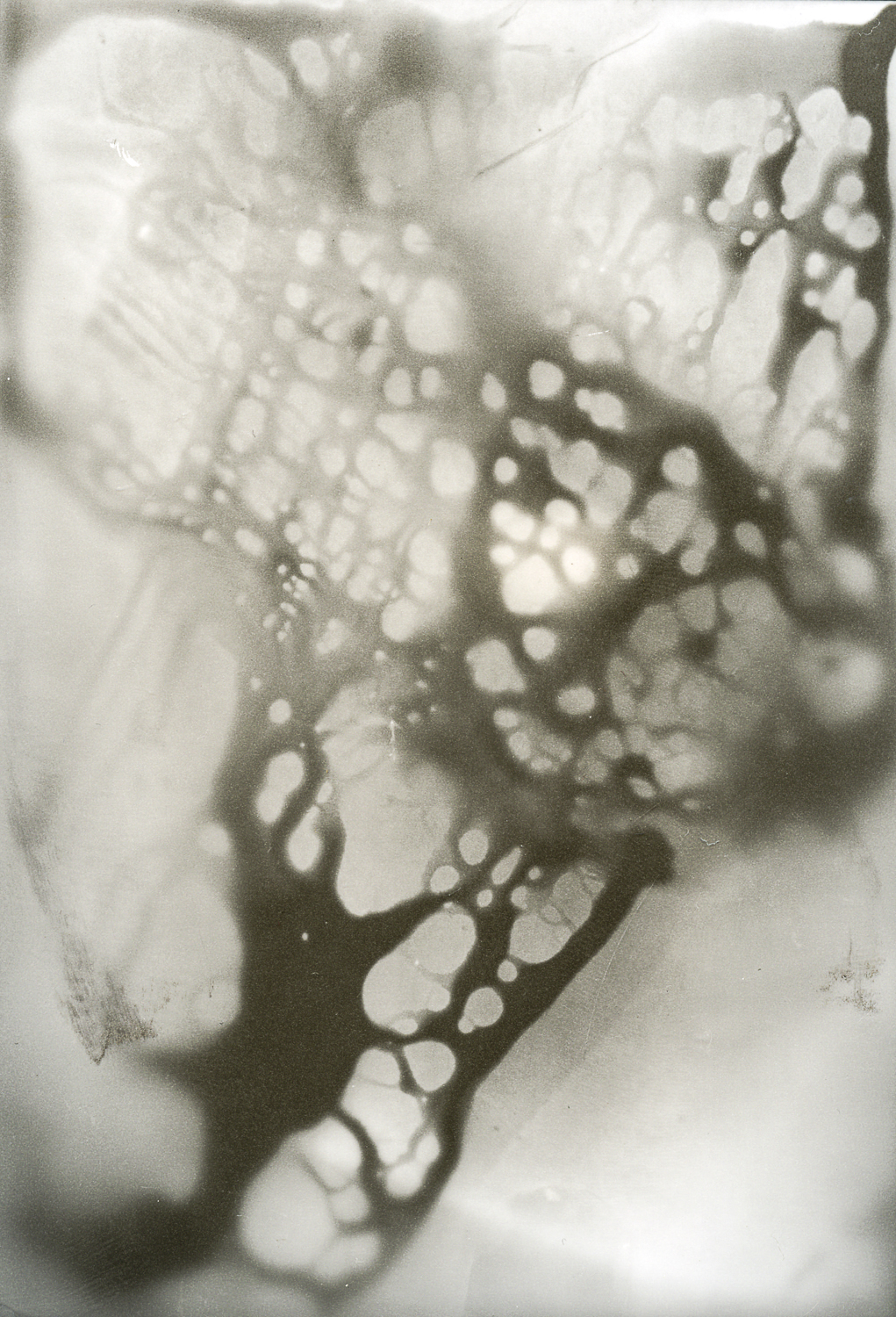
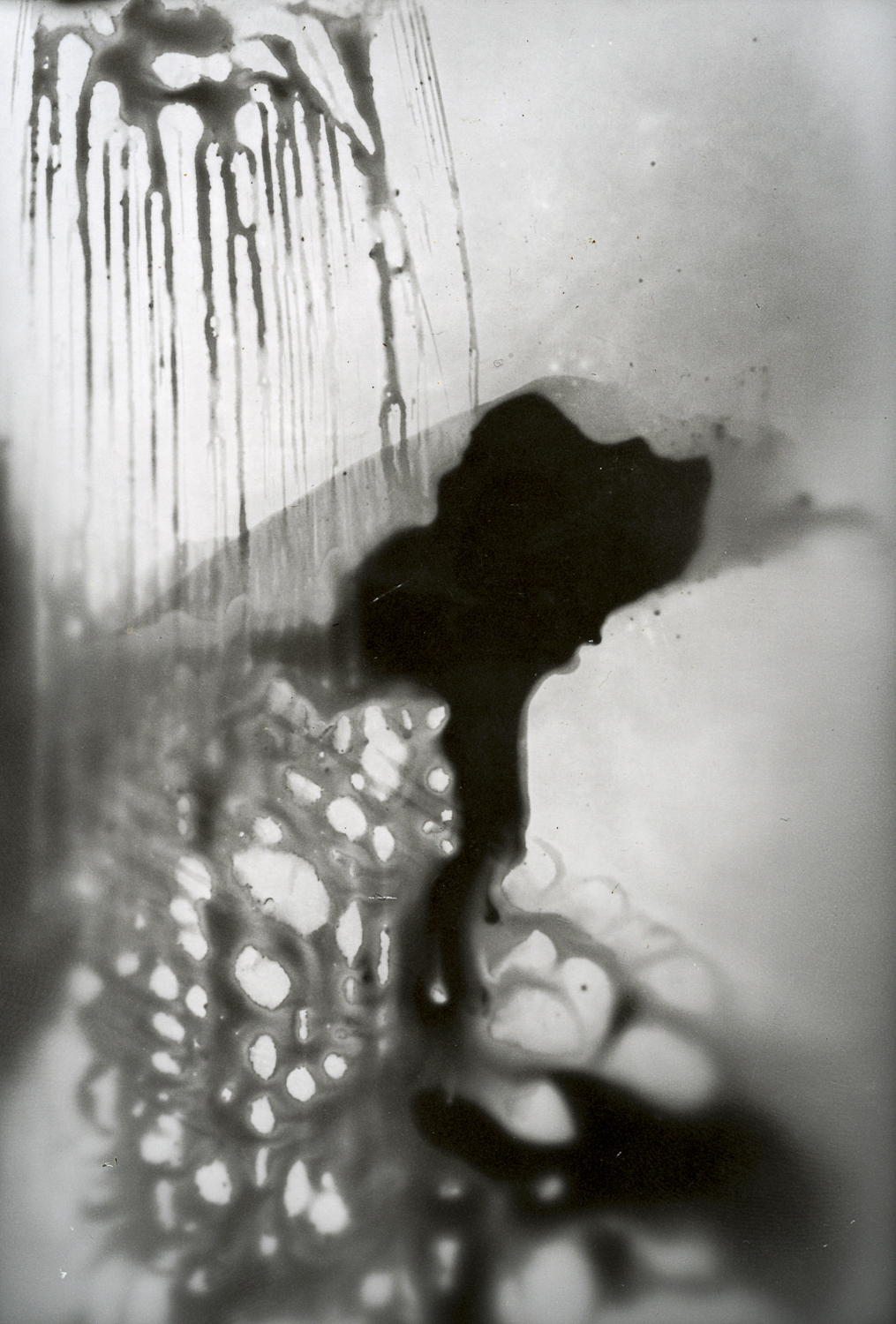
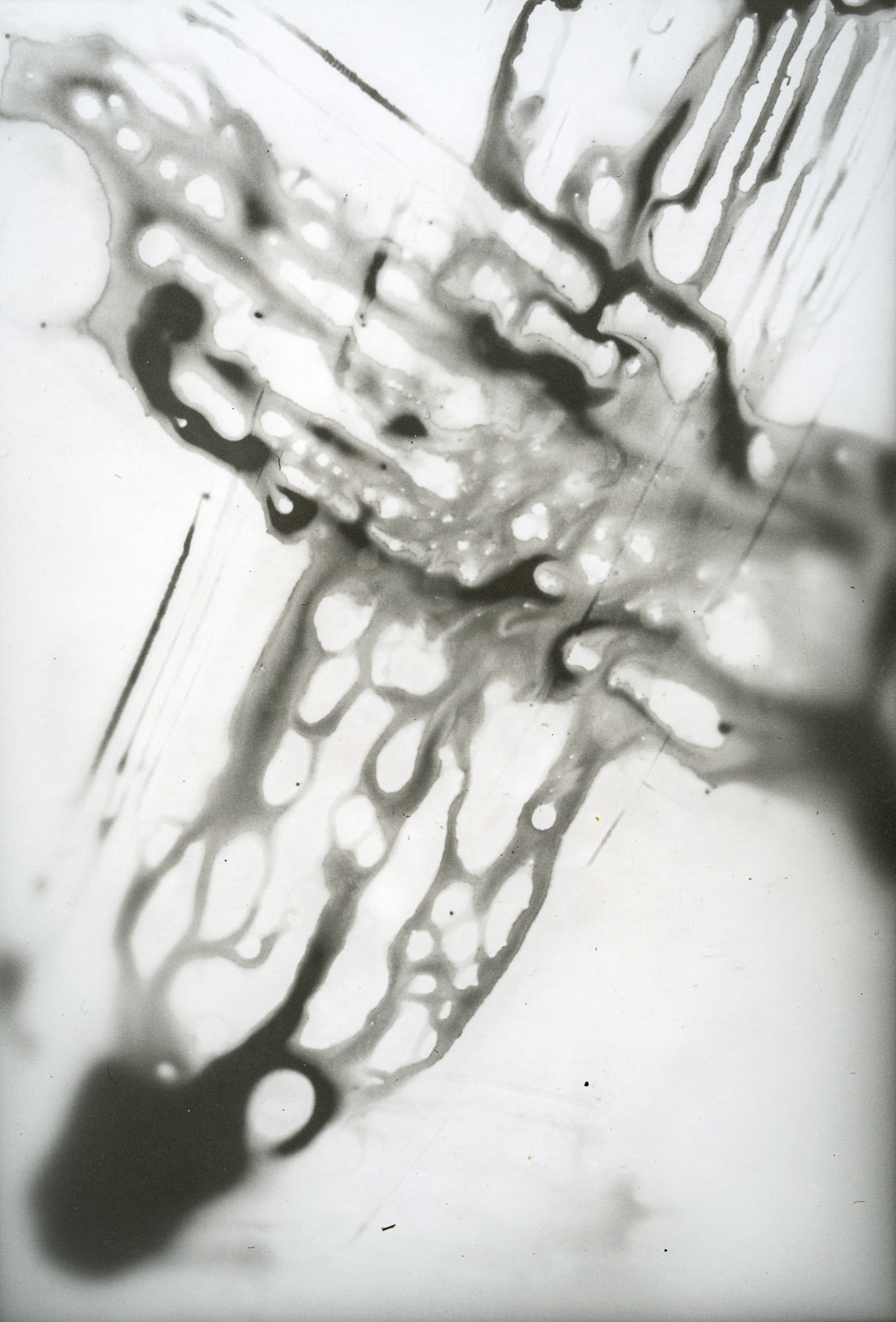
My darkroom experiments include photograms, chemigrams, pinhole cameras, large format and polaroid images. I have been experimenting with environmentally friendly developers, using materials such as coffee, red wine, and herbal teas including rosemary, green tea, and peppermint. In addition, I also create luminograms and lumen prints.
2021, digital photographs // a paraphrase to DALÍ ATOMICUS by Philippe HALSMAN
This series presents black and white digital photographs inspired by the photograph titled Dalí Atomicus (1948) by photographer Philippe Halsman. The images reference suspended motion, flying objects, and the presence of water as a rupture of reality. Like Halsman’s iconic photograph, each image captures a moment frozen in mid chaos. A chair flies through the air. A cat jumps. Water hangs suspended in space. However, instead of a surrealist studio, the scenes unfold in ordinary Hungarian domestic spaces. These include some rural gardens, courtyards, and backyards.
I made lumen prints of different plants, leaving them exposed to natural light for weeks. During this time, the plant material decomposed. This way the paper not only shows the image formed by the light, but also the effect of time.
The project deliberately avoids the act of fixation. The possibility of ephemerality and further change over time remains an integral part of the work.
This series was made in response to my grandmother’s diagnosis with several mental disorders. I began photographing shortly after receiving the diagnosis, during a period marked by uncertainty and emotional instability. What initially started as an attempt to document her condition became a prolonged process that unfolded over several months, allowing time for observation.